- (Added 22. May. 2013) |
|
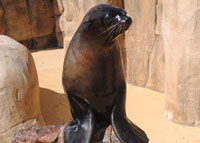 With summer time fast approaching this is the time for animals to start preparing themselves for the oncoming warmer temperatures. Here at Seaquarium Rhyl, our South African fur seals and harbour seals are also getting ready for summer by moulting their old winter coats from last year. Just like most dogs and cats, seals must lose their thick winter coat and grow a nice shiny new summer one. During this time they enjoy regular grooming from their keepers as well as receiving special medicine to help keep them hydrated. Just before the moult occurs their fur will change colour and this is when they start demanding extra attention from not just the SeaQuarium staff but also all of our guests during feeding and show time. Read More > |
- (Added 21. May. 2013) |
|
From the 25th to the 27th May we will be celebrating world turtle day with a weekend of turtle fun. Come and learn more about the terrapins we have on display and enter our free competition for the chance to win the adoption of one of our terrapins for 12 months. All you have to do is draw your best picture of a terrapin, turtle or tortoise and post in the competition box for the chance to win. Read More > |
- (Added 30. Apr. 2013) |
|
 Rhyl SeaQuarium will be celebrating this May Bank holiday, in their own special way. May 4th - 6th will be Claws weekend where we will be showing you the amazing pincers that our resident crabs and lobster have, and explaining the biology behind them. Ever wondered how much pressure a crab can exert? How does a crab grow and what dangers does it face as it does? We will explain all things crabby in our demonstrations at 11am and 3.30pm daily! The star of our encounters will be our new arrivals, the spiny spider crabs which have a carapace size of around 20cm and can commonly be found in the North East Atlantic and Mediterranean seas, down to depths of 50m. Did you know? Spiny spider crabs will eat whatever they can find in their environment at that time. This usually includes seaweeds, echinoderms and molluscs. Spider crabs get their name because their long, spindly legs make them look like giant underwater spiders. Like decorator crabs, spider crabs use seaweed to camouflage themselves from would-be predators. Read More > |
- (Added 22. Mar. 2013) |
|
 Everyone loves new arrivals and Rhyl SeaQuarium is no different with our new exhibit 'Out of the Blue' where staff have been bowled over by the newcomers. 'Out of the Blue' is the latest investment in the attraction, and is the first time Moon Jellyfish have been displayed in North Wales. Named for their ghostly, translucent bells, moon jellies (Aurelia aurita) are abundant in temperate and tropical waters worldwide. Their delicate bodies pulse and drift with the effortless grace of a ballerina. The moon jelly•s short tentacles are armed with stinging cells, called nematocysts, but the sting lacks the toxic, painful punch of other jellies. Read More > |
- (Added 4. Feb. 2013) |
|
Rhyl SeaQuarium has a new touch of romance this half term week as they prepare for Valentines Day. A new display has recently been built to house the new arrival of their Hippocampus abdominals (Big-belly Seahorse). Dave Handley (aquarist) said ‘When I introduced the two seahorses into their new home there was an instant attraction as the couple engaged in a ritual of love that is both fascinating and magical to watch’. There is a wonderful connection between the strange looking seahorses, who like to ‘dance’ together every morning to strengthen their bond. “This is a courtship ritual,” he added. “The easiest to spot is the famous seahorse dance where couples knot tails, swim together and match each other’s movements almost perfectly.” Some species will even mate for life and it’s the males who have the babies!! Read More > |
|
|
|